Pain & Chuna · Facial Palsy · Shingles
A face that suddenly changed and discomfort that lingers —
we start by checking your current condition
With facial palsy, it is important to check when the symptoms started and how your face moves now. After shingles, pain or abnormal sensations can remain even after the skin lesions have improved.
When your facial movement suddenly changes, or pain and discomfort continue after shingles, your anxiety can grow. At NuA, care begins by first checking when your symptoms started, your current condition, and the tests and treatment you have had so far.
Facial palsy 01
What are the symptoms of facial palsy?
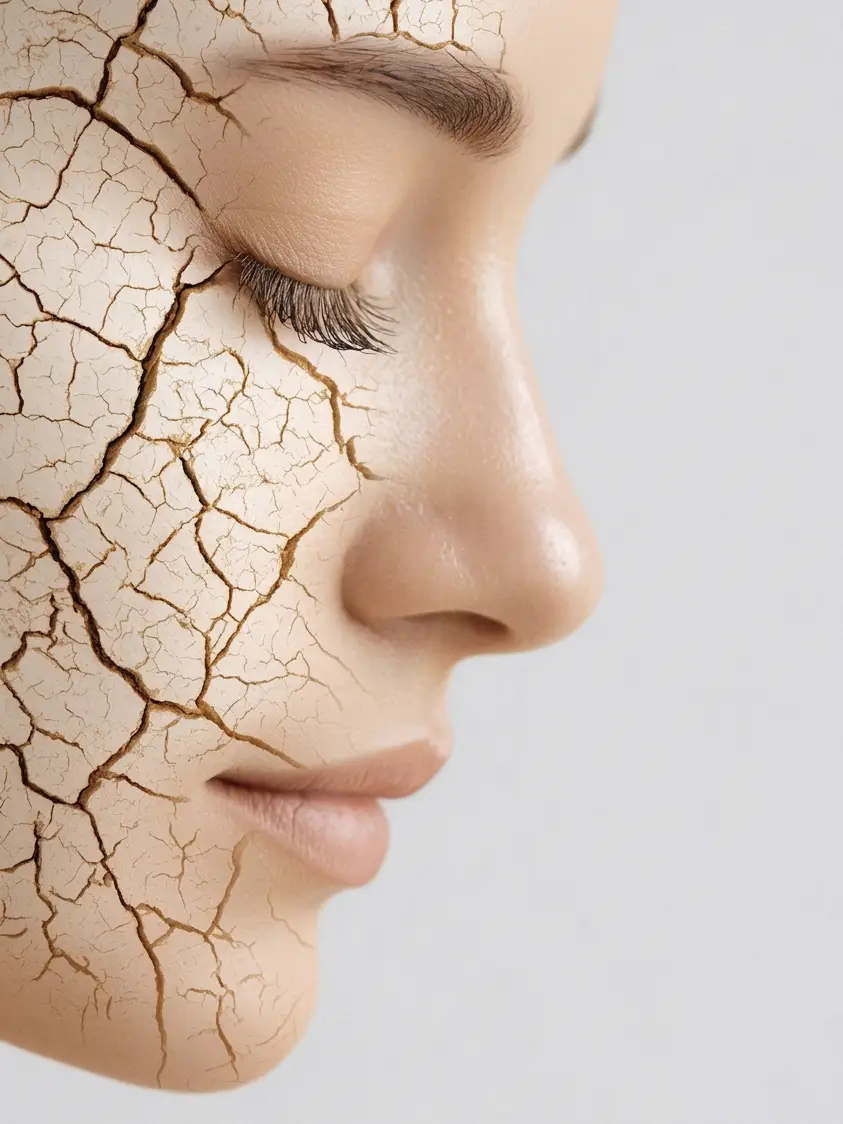
It can appear in various forms: movement on one side of the face becomes sluggish, the eye does not close well, or movement around the mouth changes. If symptoms such as weakness in an arm or leg, slurred speech, or a severe headache or dizziness appear together, an emergency evaluation may be needed first.
Facial palsy 02
Why the onset of facial palsy matters
We check when you first noticed the symptoms, how well your face moves now, and whether other symptoms are present.
Facial palsy 03
Facial palsy care
We look at when the symptoms started, how your face moves and the uncomfortable areas, then decide the direction of care. When needed, Korean medicine treatments such as acupuncture or herbal medicine can be considered.

Facial palsy 04
Korean medicine care for facial palsy (guanwasa)
Facial palsy is also commonly called "guanwasa" in Korean. The recovery process differs depending on the cause and the severity of symptoms, so we provide care while checking your progress.
Shingles 01
Discomfort that can remain after shingles
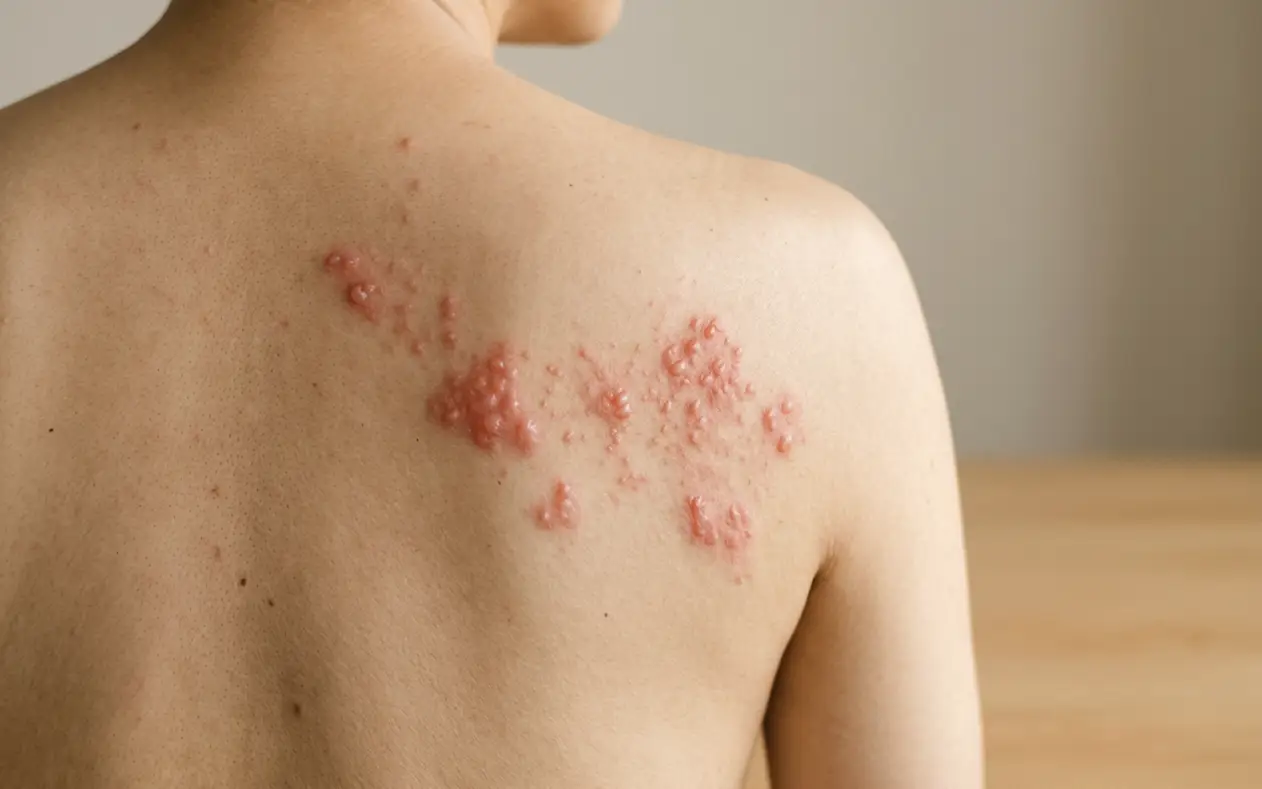
Even after the skin lesions have settled, pain or abnormal sensations can continue. We check the symptoms that remain now and the treatment you have had.
Shingles 02
Care for postherpetic neuralgia
We check where the pain persists and how it presents, and discuss the direction of care you need.
Consultation · From where you are now
NuA's recovery care process
Drawing on her experience caring for patients with facial palsy and shingles, Dr. Jeonghyeon Kim looks at both how your symptoms began and the discomfort that remains now.