Pain & Chuna · Neck, Shoulder & Back Pain
Neck, shoulders and lower back that grow stiffer as the workday goes on —
we start from the moments you spend working
When you sit and work for long hours or use a computer and smartphone a lot, discomfort in the neck, shoulders and lower back tends to keep coming back.
Were you fine in the morning, but by the afternoon your neck and trapezius stiffen, and the longer you sit, the more your lower back bothers you?
Recurring moments · Five situations
When neck, shoulder and back pain keeps recurring for office workers
- When you look at a monitor for long hours
- When your shoulders often feel knotted
- When your lower back is uncomfortable from sitting for a long time
- When pain gets worse after commuting or work
- When you hold the same posture for a long time
By area 01
Neck pain
Your neck may feel stiff, turning your head may be uncomfortable, and the tension may reach your trapezius. We check where the pain is, how you move and your posture in daily life together.
By area 02
Back pain and lower back pain
When your lower back hurts as you sit for a long time or stand up, or you keep straining it, we look at the situation in which the pain started and how you move.
Diagnoses · A closer look
Forward head posture, cervical disc herniation and frozen shoulder
Rather than applying the same treatment based on the diagnosis alone, we check the movements that actually bother you and how the pain presents.

Treatment methods · Depending on your condition
How we treat neck, shoulder and back pain
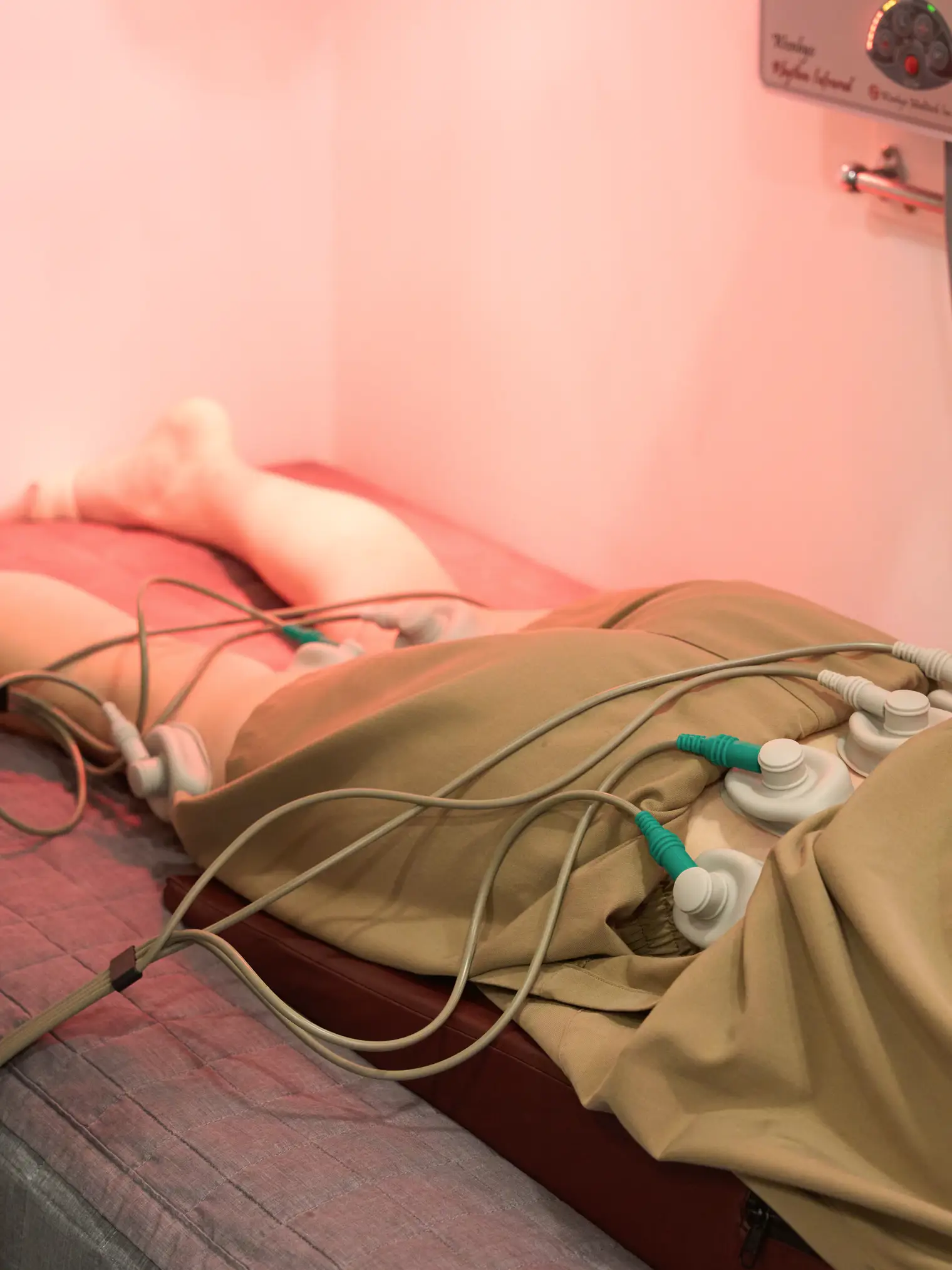
Acupuncture, Chuna Manual Therapy (a Korean medicine hands-on therapy for the joints and muscles), Pharmacopuncture (a treatment that applies refined herbal extracts to acupuncture points), Acupotomy (a treatment using a fine needle with a flat tip) and other methods are chosen and applied as needed after an examination.
Care for office workers · Evening hours
Pain care for office workers in Gangnam
If discomfort in your neck, shoulders and lower back keeps coming back even after work, start by checking in which situations the pain gets worse.